How does narcolepsy during adolescence affect sleep and overall development?
What you experienced is unfortunately common for teens with narcolepsy. The condition can significantly impact physical, social, and emotional development during these crucial years.
Narcolepsy affects sleep in several ways during adolescence:
* Show Full Answer
How does narcolepsy during adolescence affect sleep and overall development?
What you experienced is unfortunately common for teens with narcolepsy. The condition can significantly impact physical, social, and emotional development during these crucial years.
Narcolepsy affects sleep in several ways during adolescence:
* Excessive daytime sleepiness makes it hard to stay alert during school and activities
* Sleep attacks can happen suddenly, even during physical activities
* Poor nighttime sleep quality prevents the body from getting truly restorative rest
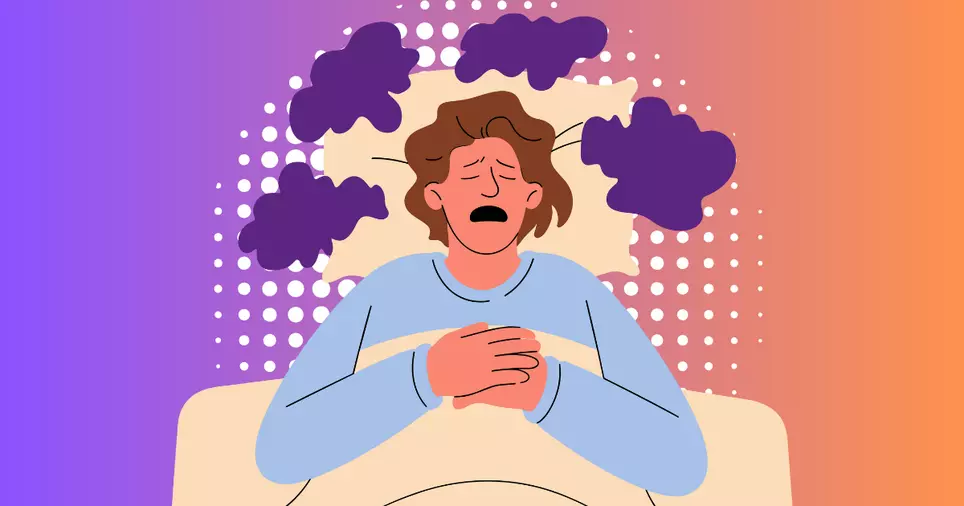
* Sleep paralysis and hallucinations can be frightening experiences
These sleep disruptions have real consequences for development. The chronic sleep deprivation and low hypocretin levels associated with narcolepsy can interfere with normal growth patterns and physical development during the teen years. The social and emotional impact you describe is also well-documented. Studies show that about 45 percent of children and teens with type 1 narcolepsy experience some degree of social impairment.
Common challenges include:
* Difficulty making and maintaining friendships
* Problems with concentration and decision-making
* Increased risk of depression and anxiety
* Lower confidence and self-esteem
* Feeling left behind or different from peers
A MyNarcolepsyTeam member shared: "I know that foggy feeling all too well. There have been days where I couldn't even speak."
The feelings you're describing about being "stuck and left behind" while watching peers develop are valid. Narcolepsy can create real barriers during formative years when you're supposed to be building social connections and discovering who you are.
It's important to know that with proper treatment—including medication, lifestyle changes, and behavioral therapy—many of these symptoms can be managed. Speaking with your healthcare provider about how narcolepsy has affected your development can help you get the support you need now.
March 21





 Continue with Facebook
Continue with Email
Continue with Facebook
Continue with Email

 Join
Join




 Your Privacy Choices