What is brain fog?
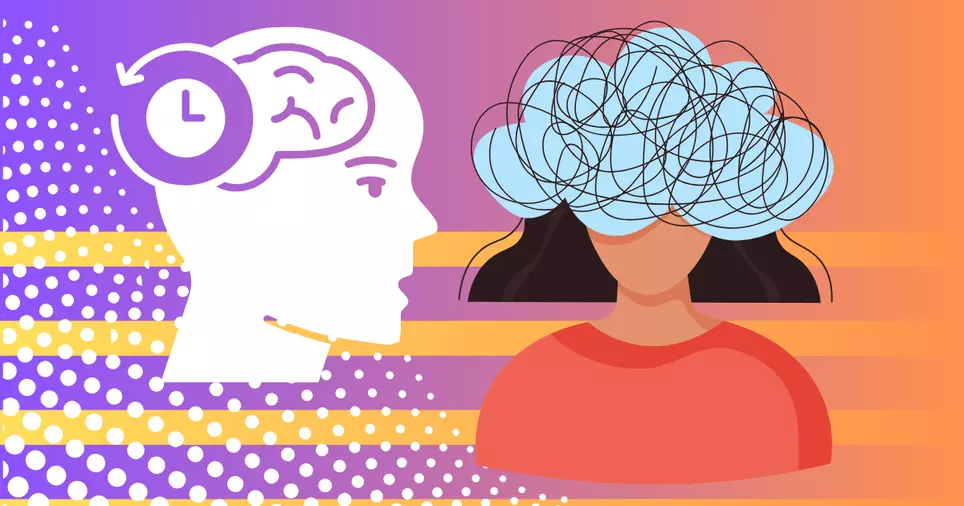
Brain fog refers to a range of cognitive symptoms that many people with narcolepsy experience. It can feel different for everyone, but common descriptions include:
- Forgetfulness or trouble focusing
- Feeling mentally drained or exhausted
- Difficulty with memory, attention, and reasoning
- Problems Show Full Answer
What is brain fog?
Brain fog refers to a range of cognitive symptoms that many people with narcolepsy experience. It can feel different for everyone, but common descriptions include:
- Forgetfulness or trouble focusing
- Feeling mentally drained or exhausted
- Difficulty with memory, attention, and reasoning
- Problems with decision-making and judgment
- Feeling like you're walking around "half asleep" or "under anesthesia"
A MyNarcolepsyTeam member described it as "a miserable feeling that is very scary and potentially very dangerous." Others have shared that some days the fog is so overwhelming they can't even speak or get basic tasks done.
Brain fog can make everyday activities harder, like finding paperwork or concentrating on what you need to do. For some people, it persists even with treatment. What causes brain fog in narcolepsy?
Several factors likely contribute to brain fog:
Excessive daytime sleepiness (EDS): When you're constantly fighting to stay awake, your brain struggles to pay attention and process information. It's like your brain is stuck in "low power mode."
Low hypocretin levels: In type 1 narcolepsy, the loss of hypocretin-producing brain cells affects how well your brain handles focus, problem-solving, and decision-making. It can also interfere with chemicals involved in attention and working memory.
Poor sleep quality: Fragmented nighttime sleep disrupts how your brain forms long-term memories. If your sleep keeps getting interrupted, important information from the day may not get stored properly.
Medication side effects: Some narcolepsy medications can contribute to brain fog. For example, sodium oxybate may cause depression and anxiety, while antidepressants can cause drowsiness or sleep problems.
Never stop or change medications without talking to your doctor first, even if you're experiencing side effects.
AI-generated responses are not a substitute for medical advice. These services are not intended to
diagnose, treat, or cure any condition or disease. Always ask your doctor about specific health concerns.

How Narcolepsy Affects Memory and Causes Brain Fog
March 27







 Continue with Facebook
Continue with Email
Continue with Facebook
Continue with Email

 Join
Join


 Your Privacy Choices