It's completely understandable to want more signs before jumping to conclusions — that's actually pretty wise parenting! But given that you have narcolepsy type 1 with cataplexy yourself, bringing this up with her doctor sooner rather than later is a reasonable step. Narcolepsy does have a genetic component, and symptoms Show Full Answer
It's completely understandable to want more signs before jumping to conclusions — that's actually pretty wise parenting! But given that you have narcolepsy type 1 with cataplexy yourself, bringing this up with her doctor sooner rather than later is a reasonable step. Narcolepsy does have a genetic component, and symptoms most commonly begin between ages 10 and 30 — so her age is worth noting.
The fact that she's getting adequate sleep but still struggles significantly to wake up, and is fighting sleepiness during after-school activities, are patterns worth mentioning to her pediatrician. You don't have to frame it as "I think she has narcolepsy" — just share what you're observing and your own diagnosis. The most common narcolepsy symptoms to watch for in children include:
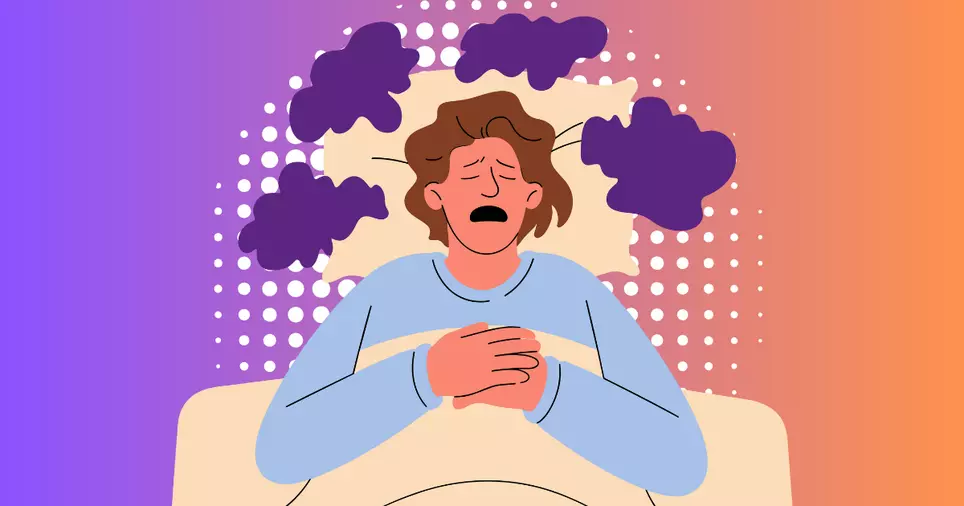
- Excessive daytime sleepiness (EDS) — the first symptom to typically appear, causing severe drowsiness even after a full night's sleep
- Cataplexy — sudden, brief muscle weakness often triggered by strong emotions like laughter or excitement
- Sleep paralysis — briefly being unable to move when falling asleep or waking up
- Hallucinations — seeing, hearing, or sensing things that aren't there while falling asleep or waking up
Fighting sleepiness during activities she enjoys (like playing with friends) is a classic sign of EDS — kids with narcolepsy often push through it in social situations. You don't need to wait for every symptom to appear before talking to her doctor. Early diagnosis can make a real difference in her school life, social life, and overall well-being. A pediatrician can refer her to a sleep specialist if needed, who can determine whether further testing is appropriate.
You're not being "that person" — you're a parent with firsthand knowledge of this condition. That's actually a real advantage here.
AI-generated responses are not a substitute for medical advice. These services are not intended to
diagnose, treat, or cure any condition or disease. Always ask your doctor about specific health concerns.

Symptoms of Narcolepsy

How Common Is Narcolepsy?
May 13






 Continue with Facebook
Continue with Email
Continue with Facebook
Continue with Email

 Join
Join



 Your Privacy Choices