Narcolepsy is a chronic (long-term) neurological sleep disorder affecting at least 135,000 to 200...
... For example, people who take certain stimulants to treat their narcolepsy may experience symptoms of psychosis similar to those of schizophrenia. ...
Attention-deficit/hyperactivity disorder (ADHD) is a condition that affects how the brain works. ...
Precocious puberty happens when a child’s body starts to change into the body of an adult too ear...
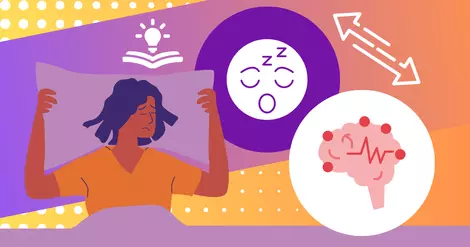
Narcolepsy increases the risk of many mental health conditions, such as depression, schizophreni...
Narcolepsy has a known association with mood and anxiety. In fact, narcolepsy is often comorbid w...
People living with epilepsy have seizures that occur again and again over time. At first glance, ...
... This leads to a shortage of this chemical. The reason that your immune system attacks these cells is unknown. But it’s believed to involve a combination of genetic and environmental factors.In type 2 narcolepsy, hypocretin levels are usually normal, and people don’t have cataplexy. The cause isn’t well understood. ...
Narcolepsy vs. Chronic Fatigue Syndrome: What’s the Difference?
... This leads to a shortage of this chemical. The reason that your immune system attacks these cells is unknown. But it’s believed to involve a combination of genetic and environmental factors.In type 2 narcolepsy, hypocretin levels are usually normal, and people don’t have cataplexy. The cause isn’t well understood. ...
Narcolepsy is a rare sleep disorder thought to be caused by a combination of influences, includin...
... Stimulants are controlled medications given their potential for misuse. 5. Antidepressants Antidepressants have been prescribed for many decades to help treat cataplexy. This symptom is unique to narcolepsy type 1. Researchers believe that antidepressants may relieve cataplexy by suppressing rapid eye movement (REM) sleep. ...
8 Narcolepsy Treatment Options: Stimulants and More
... Stimulants are controlled medications given their potential for misuse. 5. Antidepressants Antidepressants have been prescribed for many decades to help treat cataplexy. This symptom is unique to narcolepsy type 1. Researchers believe that antidepressants may relieve cataplexy by suppressing rapid eye movement (REM) sleep. ...







 Join
Join

 Your Privacy Choices